The Best House

One can imagine, at the height of Watergate, a tortured Richard Nixon, a late night lit just by the glow of the moon, padding around the White House, the only sartorial concession from the blue suit coat a velvet robe over the shirt and tie, creased pants and wingtips, looking at the ghosts of his predecessors. From the wall in the Cross Hall, JFK averts his gaze, head down, arms folded in reflection, from a portrait not painted in life but legacy.
In his farewell address two hours before his resignation as president took affect, Nixon spoke of the meaning of the house to the nation, from the East Room. It wasn’t the biggest house, he said, lots of nation’s, including smaller ones, had bigger. It didn’t have the greatest artwork, others had claim to that. But it was the best house, because it had a great heart.
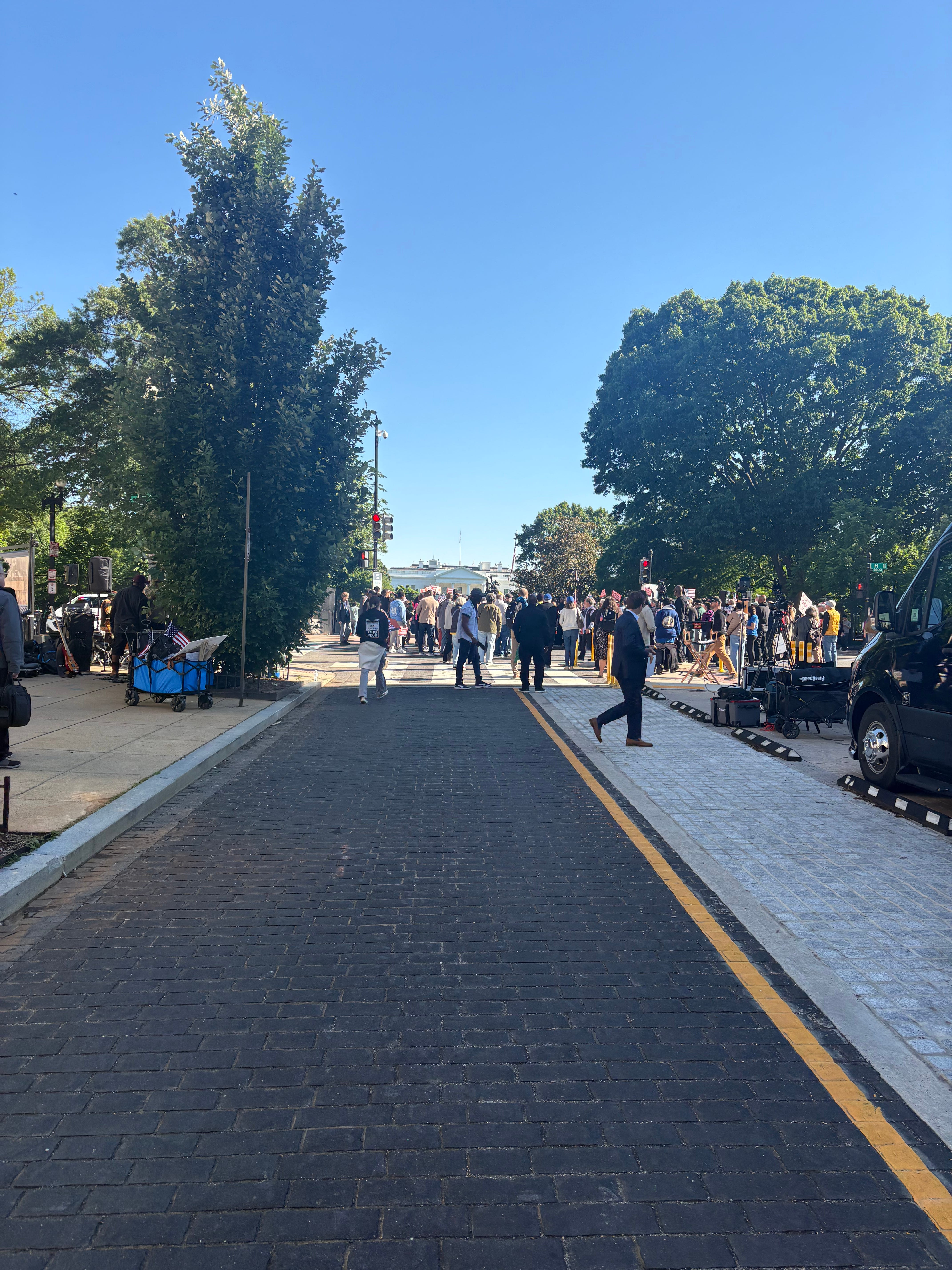
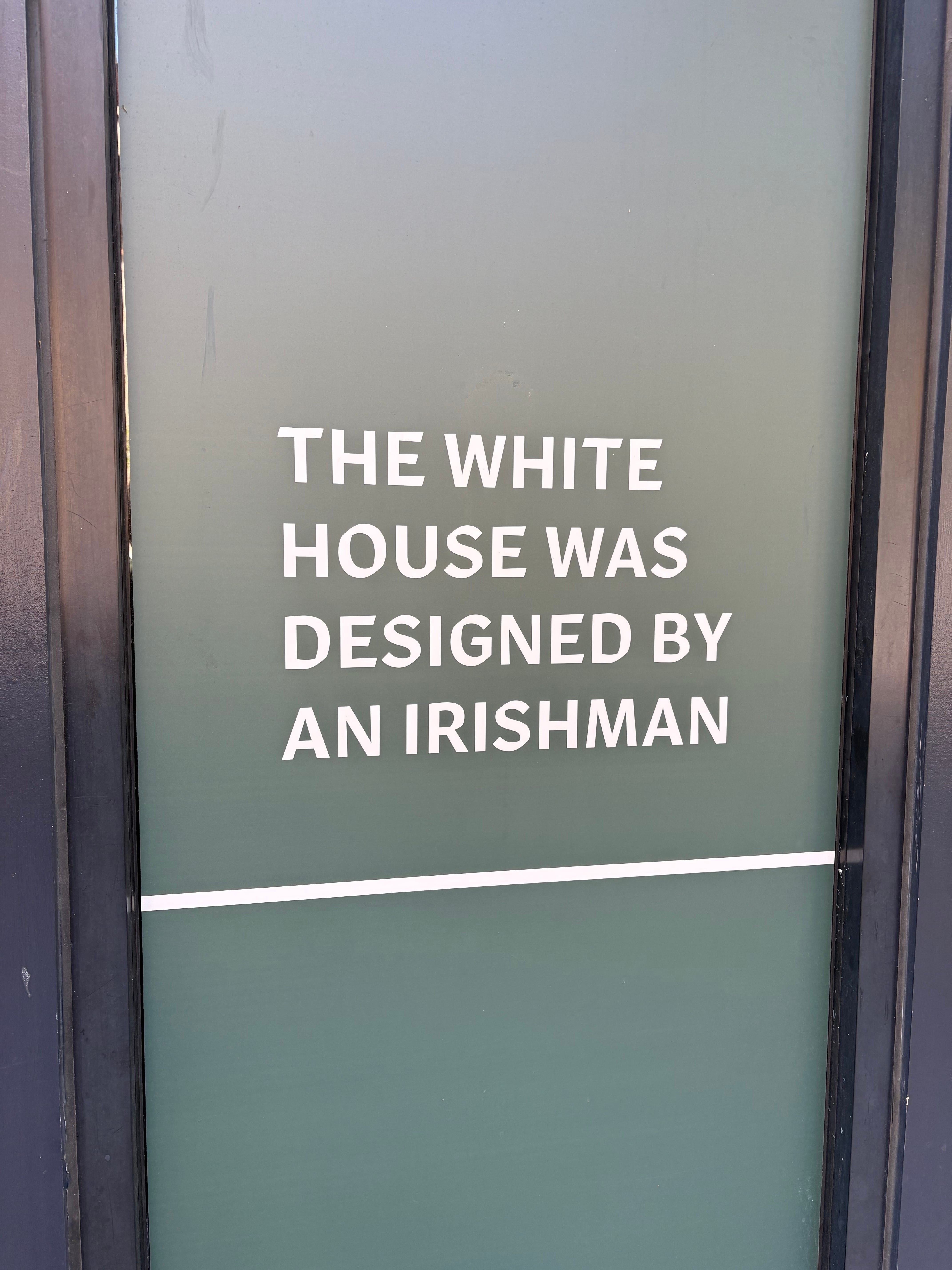
In addition, it has certainly housed its share of huge egos! The people’s house, dedicated, in 1800, was the largest residence in the United States at that time. And I agree with Nixon it has a great heart and is the best house, as a life long student of its occupants and their very human lives and tragedies.
I have not spent as much time exploring the building as I would like. Early in life I had hoped to follow Dick Gephardt there, to work for him after he was elected president in 1988. But I have loved the modesty of it, the simple elegance, the story of it, much too big for the Adams’ family who hung their laundry in New England practicality to dry in the East Room, but much too small to hold the menagerie, animal and human, of the Teddy Roosevelts. I first toured it during the Watergate year of 1973.
I’m back in D.C. for meetings, as I have done for more than forty years. A lot has been written about the Trump ballroom, and I wanted to have a look, so wandered down after I checked into my Capitol Hill hotel.
I’m not a fan of tinkering too much with our working monuments. The underground expansion of the Capitol building, planned before but modified after 9/11, when brave passengers joined together to take down a plane in a field in Pennsylvania that its hijackers intended for the dome of the seat of American power, is exhibit one in overreaching, in my opinion.
Tourists now enter underground through a massive Disney worthy visitors center, but used to ascend a narrow marble passage to the souring rotunda, one’s gaze lifted to the apotheosis of Washington. I have had the tingle of this experience exactly twice while entering monuments. The other was the old Fenway, the dark, dank, vividly smelling, leaking cloistered passage before walking up the ramp to sunlight, the smell of green grass, and possibilities, pre-John Henry renovations. Now the dome, after rattling around the cavernous basement entrance feels smaller.
And America was always about possibilities. Which is why the scale of the Capitol and the White House always made me proud to be an American. We weren’t showing off. We projected our strength by our actions. We didn’t have kings and castles.
The U.S. Capitol building grew as the nation grew. The side branches added as each branch added senators and representatives and states were added as the country reached coast to coast, with an appropriately sized dome to keep the gods of proportion happy.
The Executive branch of government grew over the centuries even faster, but not the White House, modest, warren like appendages not to detract from the simple magnificent structure, so central to our identity, that Osama bin Laden had it as a target, until it proved to small, and he set his sights on the Capitol dome.
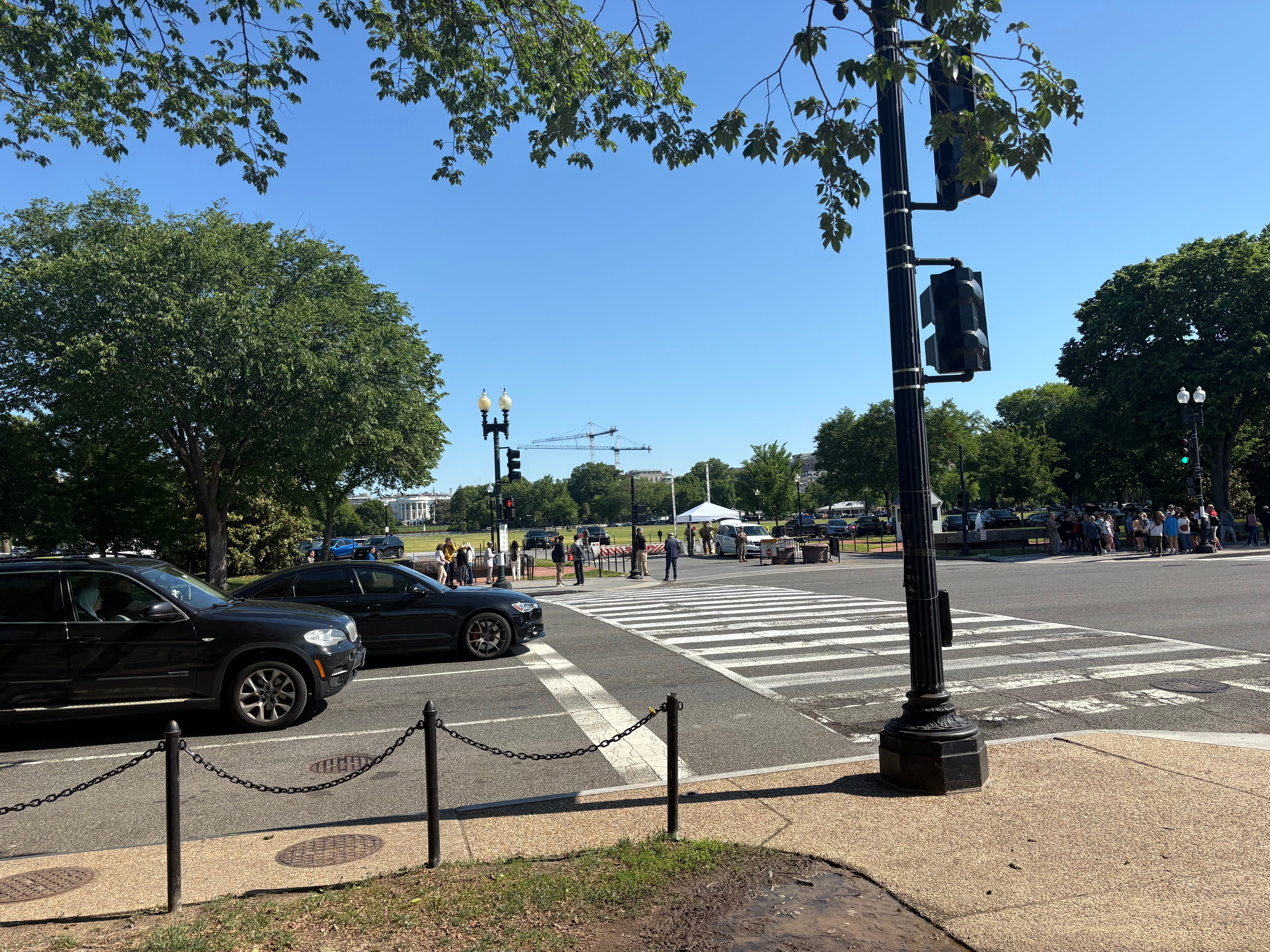
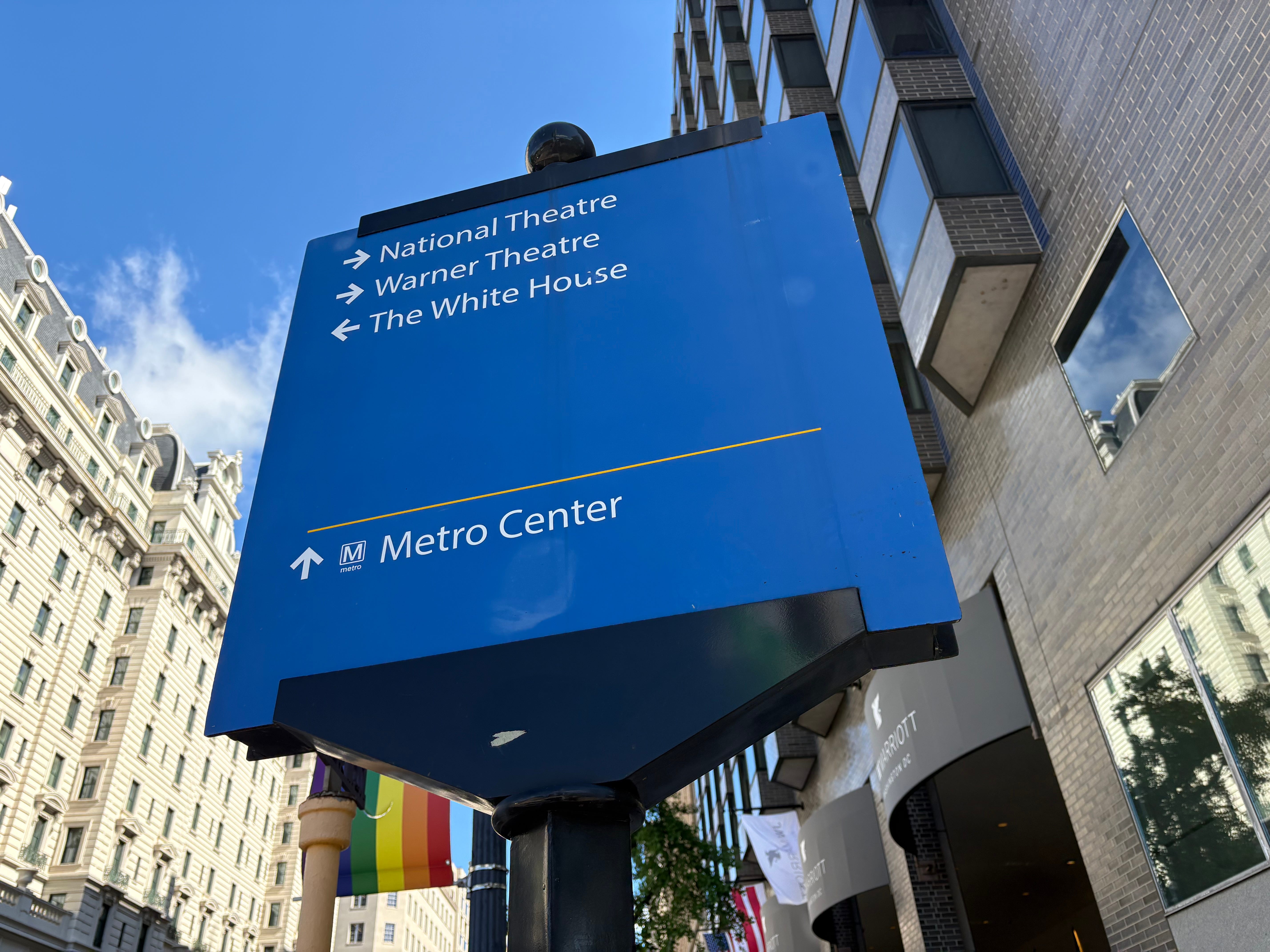
But I can’t get anywhere near the place. Pennsylvania Avenue is blocked, though a steady stream of badged people go through a gated check on 14th street. Lafayette Square is under renovation so pedestrian traffic is pushed north to H Street. 14th to 17th, Constitution Avenue to H Street, the White House is a fortress, with only dueling construction cranes and new car dealership sized flagpole and flag visible. The ballroom, if and when built, will be larger than the White House. And I suppose that’s the symbolic intent of its architect.
Betty Ford, the wife of the man who succeeded Richard Nixon, said if the West Wing was the mind of the White House, the East Wing, now demolished, was the heart.
And maybe that was the symbolic intent.
I was hoping you'd hint what you think of the ballroom but you're being true to the journalist code.